
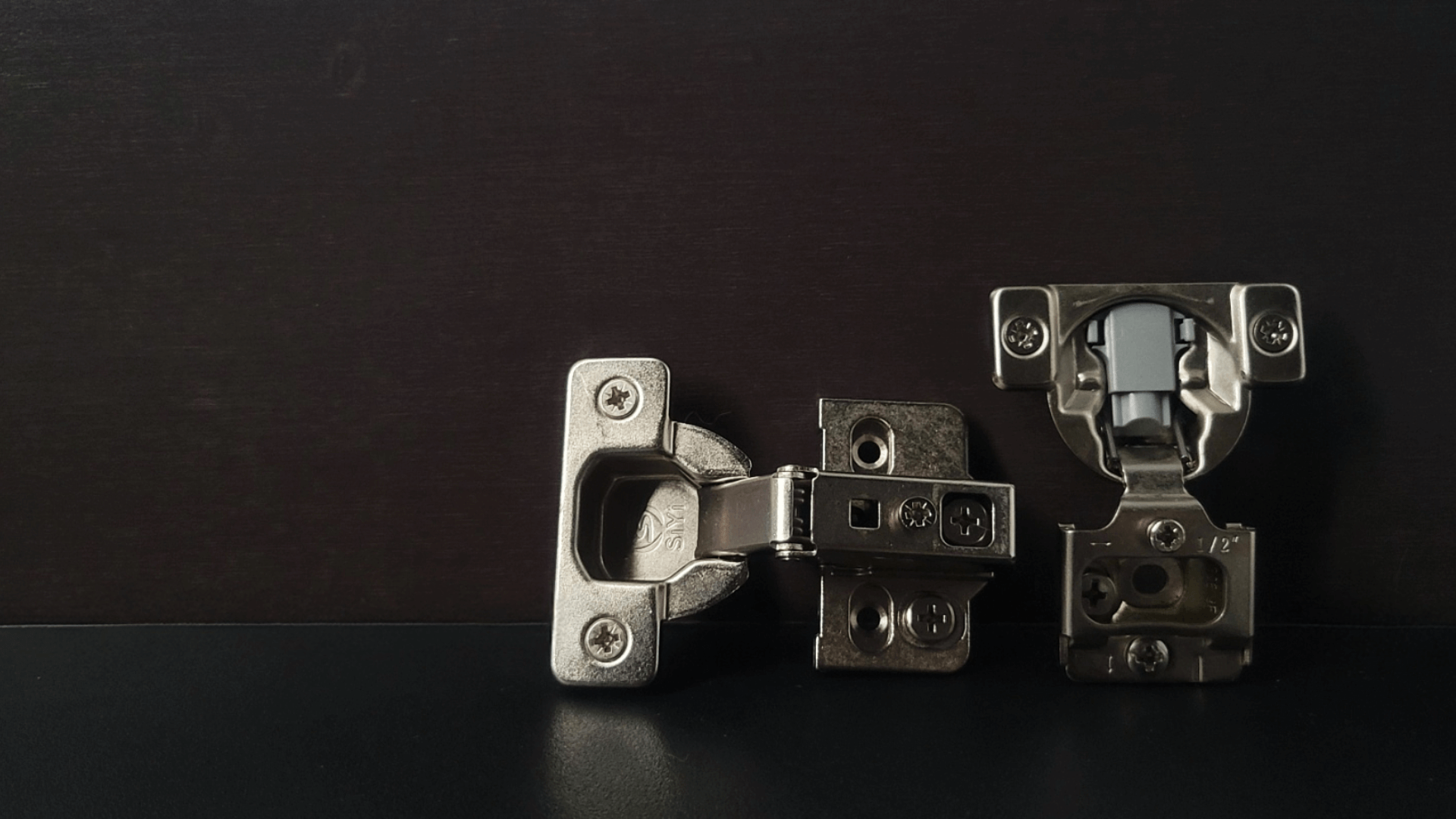
Whether you’re designing a kitchen, bath, or custom storage solution, one of the first decisions you’ll make is cabinet construction style. The choice between face-frame and frameless cabinets affects everything from aesthetics and storage capacity to hardware selection and installation ease. Let’s break it down so you can confidently choose the best solution for you or your customers.
What Are Face Frame Cabinets?
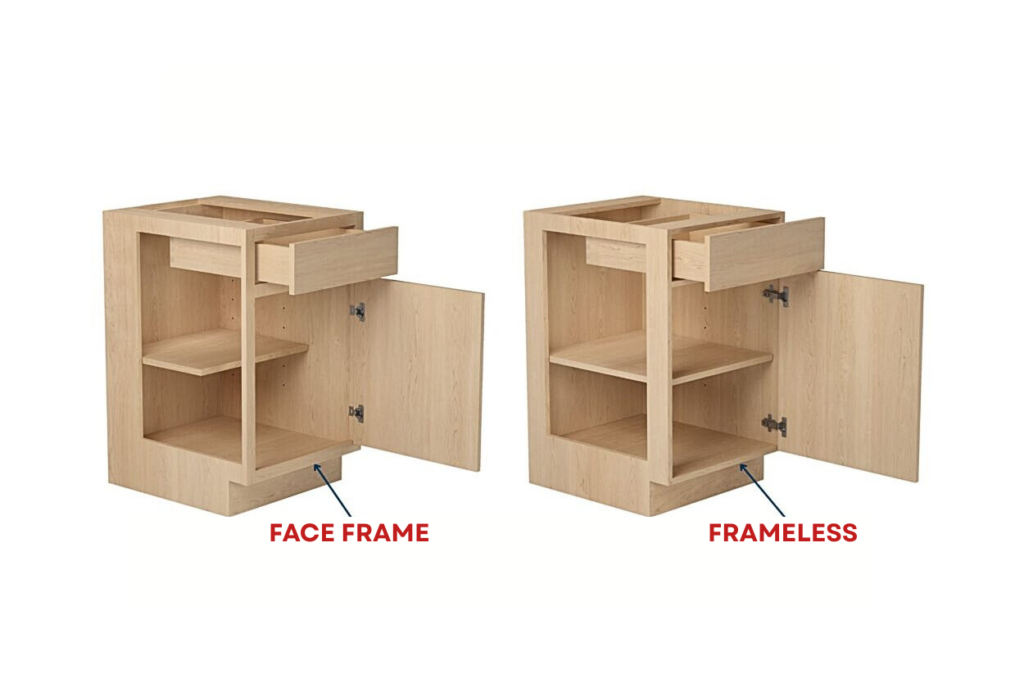
Face-frame cabinets feature a solid front frame made of vertical stiles and horizontal rails attached to the cabinet box. This “picture-frame” structure is a traditional feature in North American cabinetry and is often associated with classic kitchen designs.
Key Features:
- A sturdy frame around the cabinet opening.
- Hinges (concealed or traditional) attach directly to this frame.
- Supports a range of door styles, including inset, half overlay, or full overlay.
Why Choose Face Frame?
- Classic aesthetics: Perfect for farmhouse, transitional, or traditional kitchens.
- Structural rigidity: The face frame adds strength and helps cabinetry resist racking or warping over time.
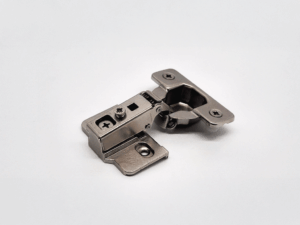
- Flexible hardware options: A wide variety of hinge types — including soft-close and compact 3D hinges — fit face-frame doors (like many offered by SiYi America).
- Installation tolerance: The frame can hide minor installation imperfections, making it slightly more forgiving on uneven walls.
Things to Consider:
- The frame slightly reduces interior access, which can make large pots or trays harder to fit.
- In smaller spaces, the visible frame elements can make the design feel busier.
What Are Frameless Cabinets?
As the name suggests, frameless cabinets don’t have a face frame. Instead, doors and drawers mount directly to the sides of the cabinet box—a construction style often referred to as European or full-access cabinetry.
Key Features:
- No front frame means the door edges almost cover the entire box.
- Hinges attach directly to the box with concealed European-style mechanisms.
Why Choose Frameless?
- Maximized storage space: Full-access openings make better use of the entire cabinet interior — particularly useful in small kitchens.
- Sleek, modern look: The seamless, full-overlay style blends beautifully with contemporary designs.
- Simplified aesthetic: Minimal visible hardware or framing lines create a clean visual impact.
Things to Consider:
- Because the cabinet relies on the thickness of the box itself for strength, precision in manufacturing and installation is critical.
- In some construction scenarios (especially older homes with uneven walls), frameless installation may be less forgiving.
Choosing the Right Hardware for Each Style
At SiYi America, precision hardware makes the difference in how cabinetry performs over time. The construction style you choose should influence your hinge and damper selections:
Face Frame Cabinets:
- Clip-on soft-close hinges are ideal for space-limited frames and smooth performance.
- Short-arm hinges offer a great fit where frame depth is tight or when door clearance matters.
Frameless Cabinets:
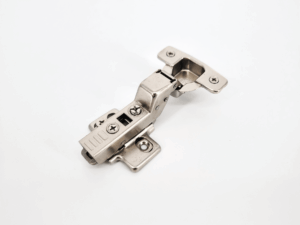
- Frameless hinges deliver a streamlined look and six-way adjustability.
- Soft-close options create luxury performance without visible hardware.
While cabinet construction style plays a role in access and aesthetics, drawer box size often has a greater impact on usable storage than face-frame vs. frameless construction alone. Factors such as drawer box thickness, side height, and hardware selection determine how much space you can truly use.
Integrating the right hinge system enhances both function and experience, whether you’re building high-end custom cabinetry or optimizing a remodel for everyday use.